Nice cruises: Plan your visit

Nice cruises at a glance

When to book: Same-week booking is often possible in May, June, and September. For July–August weekends, sunset cruises, and small-group snorkeling tours, book at least three to seven days ahead.

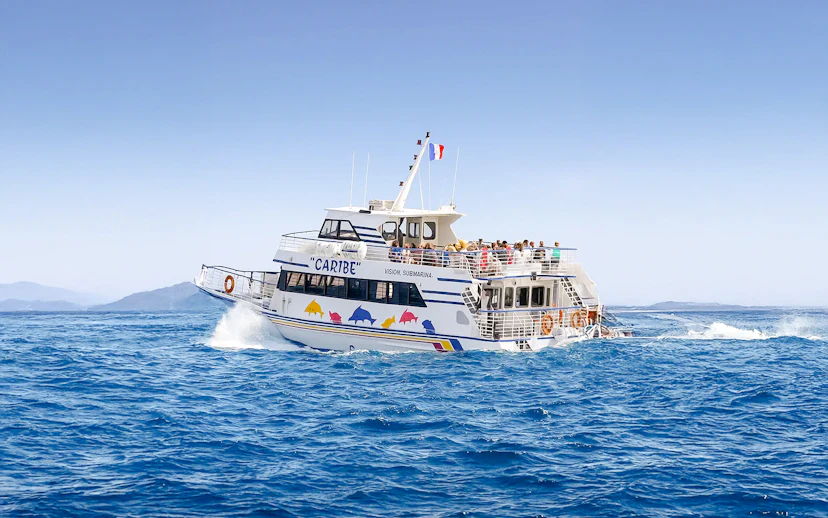
Time on the water: Around 50 minutes for a Monaco coastal loop, two to four hours for most Nice sightseeing and snorkeling tours, and up to six hours for longer catamaran experiences.

What’s included: Boat transport and crew are standard. Commentary, snorkeling equipment, paddleboards, breakfast, snacks, and drinks depend on the ticket. Hotel transfers are generally not included.

What changes the experience most: Cruise type and departure port. A “Nice cruise” may leave from Nice, Villefranche-sur-Mer, Monaco, Cannes, or Marina Baie des Anges.

If weather cancels: The operator may offer a refund or a new date. Policies vary, so check the conditions attached to your ticket.

🎟️ See Nice cruise tickets ↓

Which Nice cruise should you book?

Coastal sightseeing cruiseWhat it isDurationBest for

Coastal sightseeing cruise

A narrated or guided route focused on coastal landmarks, harbours, villas, and photography

50 minutes–2 hours

A first visit where you want Riviera views without swimming or losing half a day

Small-group snorkeling boat tour

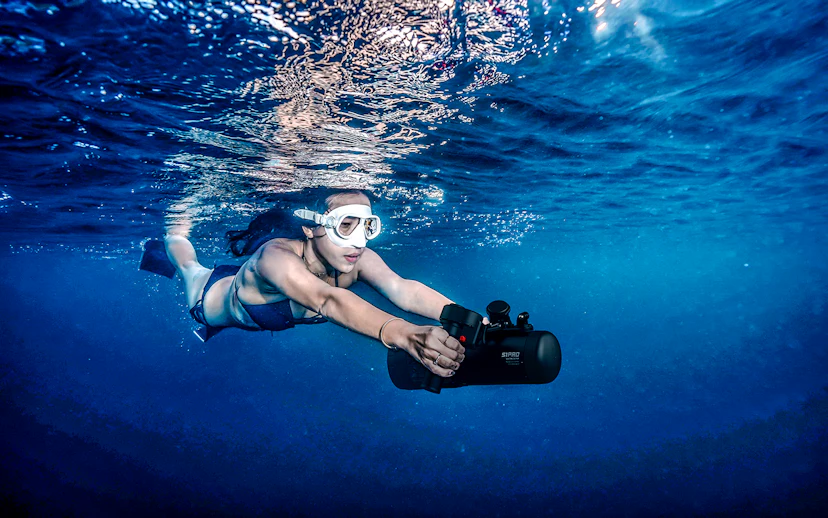
A coastal boat ride with a dedicated swim and snorkeling stop; masks and snorkels are normally supplied

2–3.5 hours

A half-day where entering the water is more important than remaining onboard

Sunset boat cruise

A golden-hour sailing with coastal views, an apéritif or snacks, and sometimes a swim stop

1.5–2 hours

An evening where atmosphere matters more than clear daytime landmark views

Catamaran swim cruise

A shared cruise on a spacious maxi-catamaran with snorkeling, swimming, paddleboards, drinks, and deck time

2–6 hours

A relaxed sea day where you want room to move and several ways to spend your time

Wildlife cruise

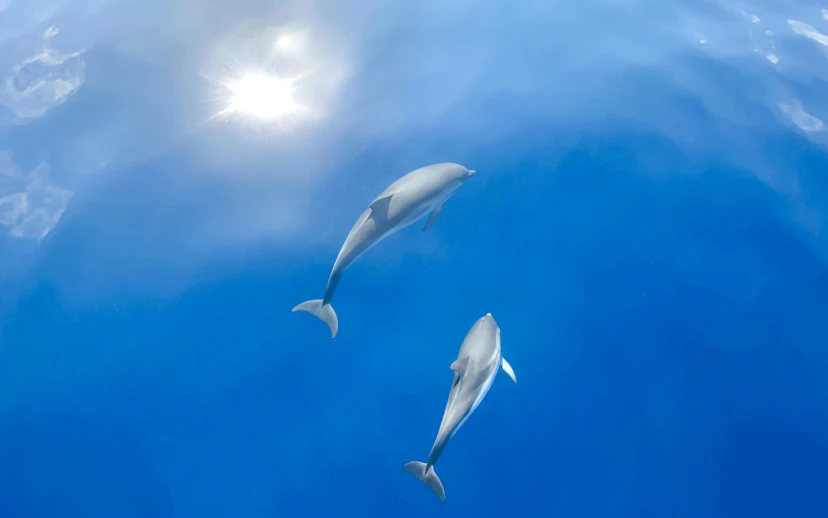
An open-sea journey into the Pelagos Sanctuary with naturalist commentary and a search for dolphins or whales

4–4.5 hours

A nature-focused morning where the search and marine interpretation are the main experience

Island ferry or day cruise

A crossing to the Lérins Islands with independent time ashore rather than continuous guided cruising

Flexible

A day where visiting the island matters more than onboard commentary or activities

When is the best time for a Nice cruise?

Time slotLight and moodWhat you see or do bestCrowdsBook this if…

Sunrise, around 5:30–7:30am

Cool, quiet, soft first light

Cap Ferrat coves, early swimming, breakfast at anchor

Lowest

You are willing to start early for a quieter boat and calmer-feeling atmosphere

Morning, around 8am–noon

Clearer light and cooler deck conditions

Longer snorkeling routes, island tours, wildlife cruises

Usually moderate

You want water activities before the hottest part of the day

Afternoon, around 1–6pm

Bright, vivid coastal colour but stronger heat

Swimming, paddleboarding, clear views of coves and villages

Highest in summer

Warm water and a lively cruise matter more than avoiding crowds

Sunset, around 7–9:30pm

Softer gold and pink light, cooler air

Cap de Nice, Villefranche Bay, skyline photographs, an onboard apéritif

Popular but more relaxed

You want the cruise to function as the main event of your evening

Sunrise departures offer an unusually quiet start but require pre-planned transport because public services may be limited at that hour. Morning is generally the safest all-round choice for active tours, particularly if you want cooler conditions before snorkeling.

Afternoon works well for catamaran cruises because the experience is less dependent on continuous sightseeing: you can swim, paddle, and relax on deck. However, uncovered areas can feel very hot in July and August.

Sunset is best for atmosphere rather than route clarity. You will see the coastline in softer light, but smaller landmarks become harder to distinguish after the sun drops.

What actually happens on a Nice cruise?
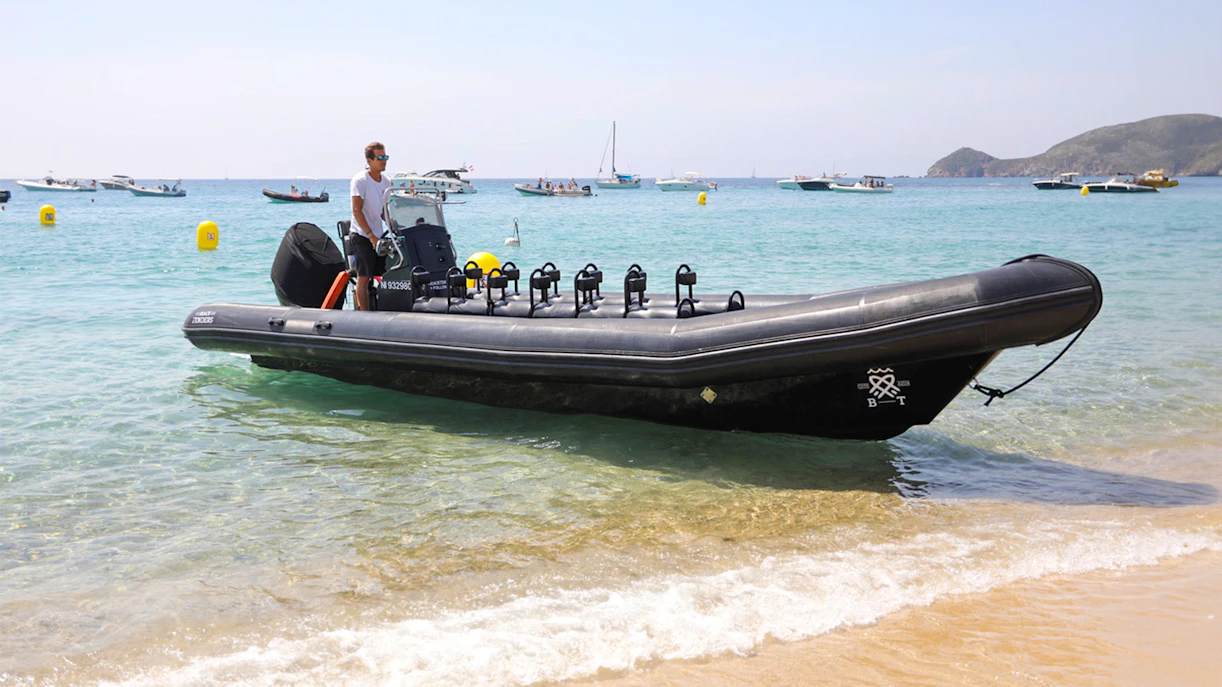
Guided boat tour departing from Cannes to Estérel Natural Park.

Show your mobile voucher and confirm the boat name. Some harbours have several docks and operators within a small area, so arriving at the correct port is not enough on its own.

Boat tour group exploring rocky arch in Estérel Natural Park, Cannes.

On sightseeing cruises, this may be a short welcome and seating direction. Snorkeling, catamaran, and wildlife tours include a fuller safety briefing covering movement onboard, water entry, equipment, and sea conditions.

Boat tour group exploring Estérel Natural Park from Cannes.

From Port de Nice, routes initially give you views of Castle Hill, the old harbour, Cap de Nice, and the city behind you. Villefranche departures open directly into the Rade de Villefranche, while Monaco cruises begin among the superyachts of Port Hercule.

Boat tour group exploring rocky arch in Estérel Natural Park, Cannes.

Sightseeing tours continue past villas, towns, cliffs, and coastal landmarks. Snorkeling and catamaran cruises travel to a cove selected according to the itinerary and daily conditions.

Guided boat tour in Estérel Natural Park, Cannes, with people swimming in clear blue water.

This may be live commentary, a snorkeling stop, paddleboarding, breakfast, an apéritif, wildlife observation, or independent island time. The skipper controls the route and may alter an anchorage when wind, swell, traffic, or visibility makes another location safer.

Family on boat tour exploring Esterel National Park's hidden coves.

Most excursions are round trips. Island ferries operate differently because you disembark and return on a later shuttle or at a specified time.

The moment most visitors don’t expect: The advertised duration includes sailing, safety instructions, anchoring, and returning to port. A three-hour snorkeling tour does not mean three continuous hours in the water.

Is a Nice cruise realistic for your timeline?

I have two to three hours
  • Realistic? Yes, for a short sightseeing cruise or a two-hour sunrise or sunset experience.
  • Total time breakdown: Around 30 minutes for arrival and check-in + 50 minutes to two hours onboard + disembarkation and local transport.
  • What you can add: Old Town, Castle Hill, Place Garibaldi, or a meal near Port Lympia.
  • What you lose: Longer swimming time, island visits, and the more distant sections of the coast.

I have four to five hours

  • Realistic? Yes, for most snorkeling and half-day catamaran cruises.
  • Total time breakdown: Around 30 minutes for check-in + three to four hours onboard + time to return from the port.
  • What you can add: Breakfast or lunch near the departure harbour, followed by a relaxed city activity.
  • What you lose: Attempting several major Nice attractions on the same half-day will make the schedule feel rushed.

I have most of the day

  • Realistic? Yes, for a six-hour catamaran, an island ferry, or a regional departure from Cannes or Monaco.
  • Total time breakdown: Include travel to the regional port, an arrival buffer, the cruise, time ashore where relevant, and the journey back to Nice.
  • What you can add: A simple dinner after returning.
  • What you lose: A regional departure should not be treated as a quick Nice harbour activity. It can occupy the majority of the day.

What to expect on board

On board

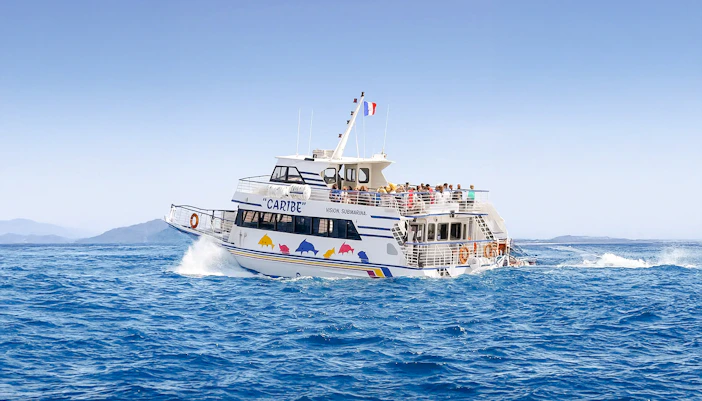
  • Seating: Small boats generally have basic open seating and limited freedom to move. Larger catamarans provide more deck space and areas for lounging, but the best positions are still taken early.
  • Shade: Small snorkeling boats may offer little shade. Catamarans have more usable deck space, but not every seat is protected from direct sun.
  • Bathrooms: Toilets are available on some larger vessels and explicitly listed on selected AMV cruises. They are not confirmed across every small boat, so check the product details before booking.
  • Food and drinks: Sightseeing-only tickets generally do not include refreshments. Selected sunset cruises include snacks or an apéritif, the sunrise tour includes breakfast, and catamaran products may include drinks or a buffet.
  • Commentary: Some coastal routes provide live French and English commentary. Activity-focused tours rely more on the skipper’s instructions and informal interpretation. Commentary is not standard on every ferry or catamaran.
  • Wi-Fi: Wi-Fi is not listed as a standard facility. Download your voucher and meeting-point details before travelling to the port.

What to bring

  • A dry layer: Open decks feel cooler after swimming and once the boat accelerates, even on warm days.
  • A towel: Towels are not consistently included on swim and snorkeling tours.
  • Secure sun protection: Loose hats can blow away after the boat leaves the harbour. Use sunglasses with a strap and apply sunscreen before handling snorkeling equipment.
  • Motion-sickness treatment: Cap de Nice and open-sea sections can be noticeably choppier than the harbour. Take your usual remedy before boarding rather than after symptoms begin.
  • A waterproof pouch: Spray and wet equipment can reach seating areas even when you do not enter the water.

Accessibility

  • Public quays around Port Lympia are relatively flat, but boat boarding may involve ramps, narrow gangways, gaps, or steps. Small snorkeling boats also require guests to use a ladder to enter and leave the water.
  • Accessibility differs by vessel, and published information is inconsistent. Guests using wheelchairs or needing boarding assistance should obtain confirmation for the specific departure rather than relying on a general cruise-category statement.

What you need to know before you board

Rules

  • Cancellation by you: Cancellation windows vary. Selected products offer free cancellation until 24 hours before departure, but this is not universal.
  • If the operator cancels: Weather-dependent departures may be rescheduled or refunded according to the operator or booking platform’s policy.
  • Arrival: Report around 30 minutes early. A missed departure is normally treated as a no-show rather than a delay the boat can accommodate.
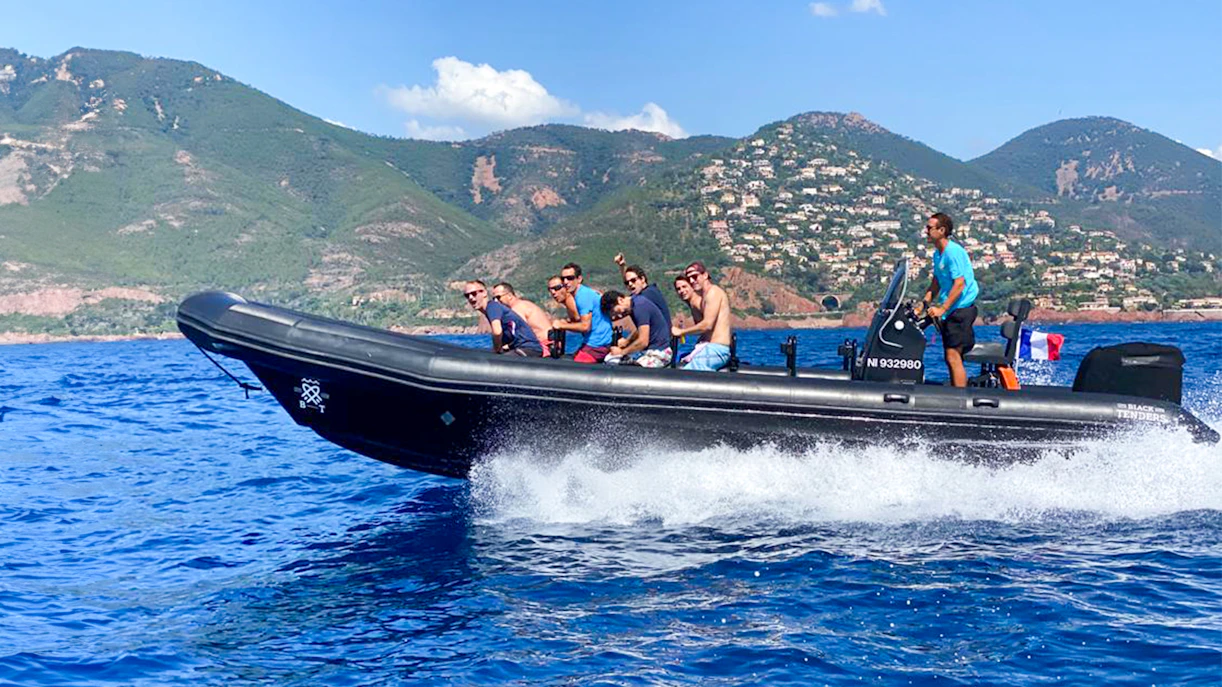
  • Bags: Storage is limited, particularly on RIBs and small boats. Bring a compact bag and avoid arriving with large luggage unless the operator has confirmed acceptance.
  • Reboarding: Standard round-trip cruises do not allow hop-on, hop-off use. Flexible reboarding applies only to specific ferry tickets.
  • Not allowed: Hazardous objects, disruptive behaviour, and entering the water before the crew gives permission. Outside alcohol and glass containers may also be restricted.
  • Photography: Personal photography is generally allowed, but drones cannot be launched from a moving passenger boat without explicit operator and regulatory approval.
  • Dress code: There is no formal dress code for sightseeing or activity cruises. Secure footwear is more important than appearance because wet decks and ladders can be slippery.

Practical tips

  • Check the harbour, not just the city name. Villefranche, Monaco, and Cannes products may appear inside the Nice collection but require a separate journey.
  • Do not schedule an airport transfer immediately after sailing. Weather and harbour traffic can affect the return time.
  • Book the shortest cruise when seasickness is your main concern. A 50-minute or one-hour coastal loop limits exposure more effectively than relying on a larger boat alone.
  • Bring your own well-fitting mask when fit is critical. Shared equipment is included on several snorkeling tours, but available sizes may be limited.
  • Choose the right side only after asking the crew. Routes can change, and most round trips reverse the coastline view on the return leg.

What else is worth pairing with a Nice cruise?
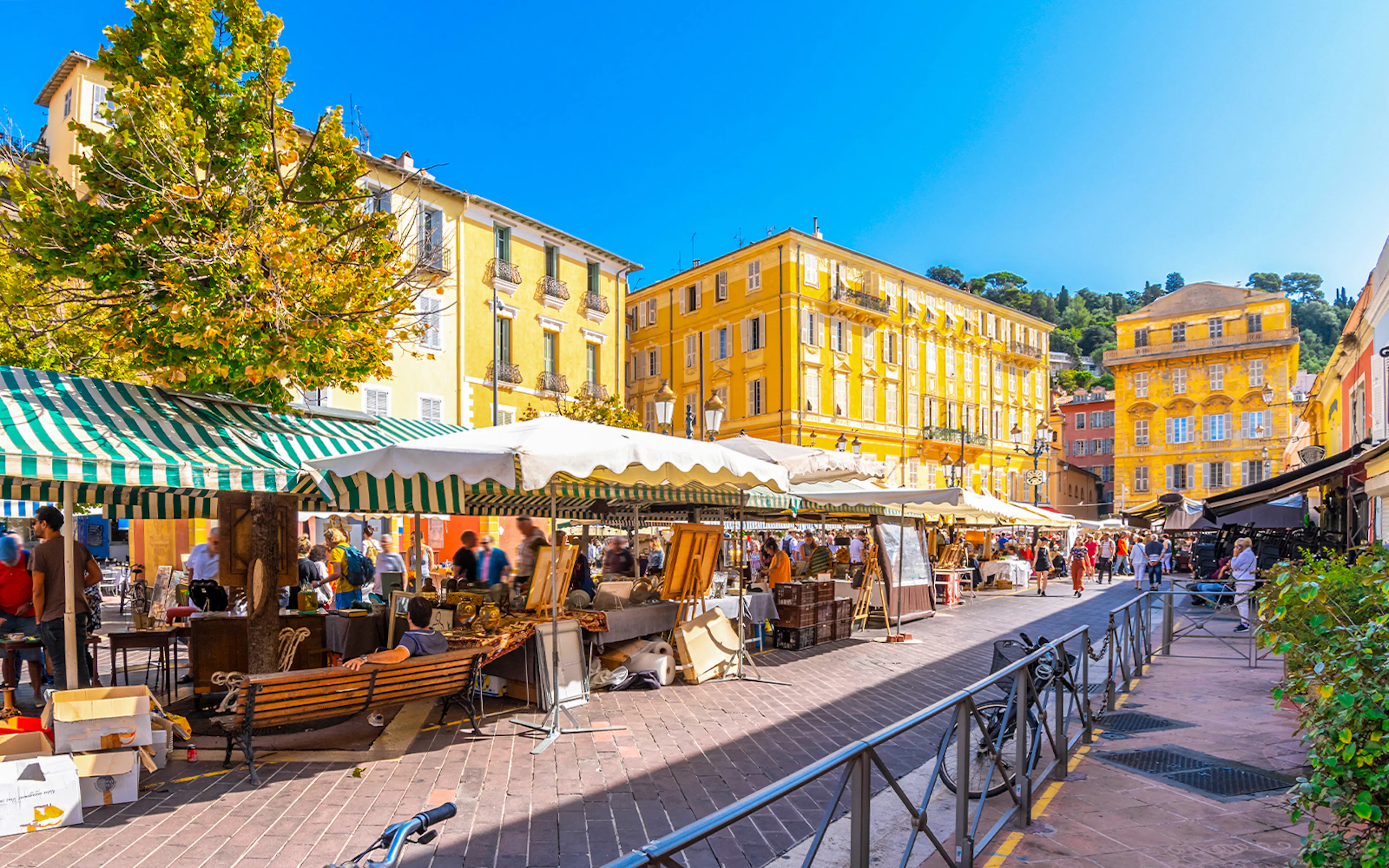
Cours Saleya market stalls with people browsing in Nice, France.
1/3

Vieux-Nice

Where is it: Approximately 15–20 minutes from Port Lympia

Old Town naturally fits before or after a Nice-origin cruise because no additional transport is needed. A morning cruise followed by lunch and Cours Saleya works particularly well, while sunset departures can follow an afternoon in the historic centre.

Castle Hill

Where is it: Around 10–15 minutes from the port access points

The viewpoints above Nice complement the cruise rather than repeat it. From the boat, you see Castle Hill and the city at sea level; from the park, you look down across Port Lympia and Baie des Anges.

Villefranche-sur-Mer Old Town

Where is it: Beside Port de la Santé

When your cruise leaves from Villefranche, allow time for the waterfront and old streets rather than travelling directly back to Nice. This pairing is especially practical for AMV coastal and sunset departures.

Also nearby: Promenade des Anglais and Nice’s beaches are around one to two kilometres from Port Lympia, depending on the section you visit.

Eat, shop and stay near Port de Nice

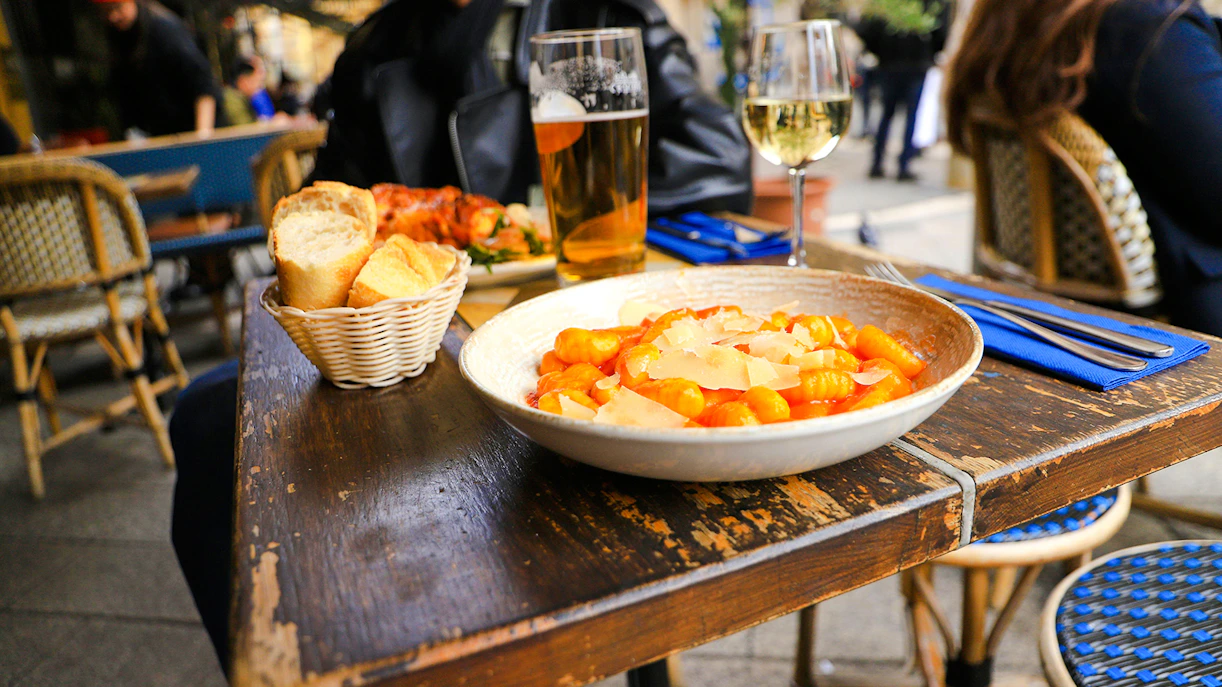
Gnocchi and bread on a café table at Place Garibaldi, Nice.

Bistrot du Port (Quai Lunel, a few minutes from the main cruise pontoons) A practical harbour-side choice for seafood, drinks, or a full meal before or after a Port Lympia departure.

Place Garibaldi and Rue Bonaparte (around 10–15 minutes on foot) This area offers a broader choice of cafés, bars, and restaurants than the immediate quay and works particularly well after an evening cruise.

💡 Pro tip: Eat after a daytime or short sightseeing cruise, but have a light meal before sunset departures that include only snacks. For snorkeling and wildlife tours, avoid a heavy meal immediately before sailing if you are prone to motion sickness.

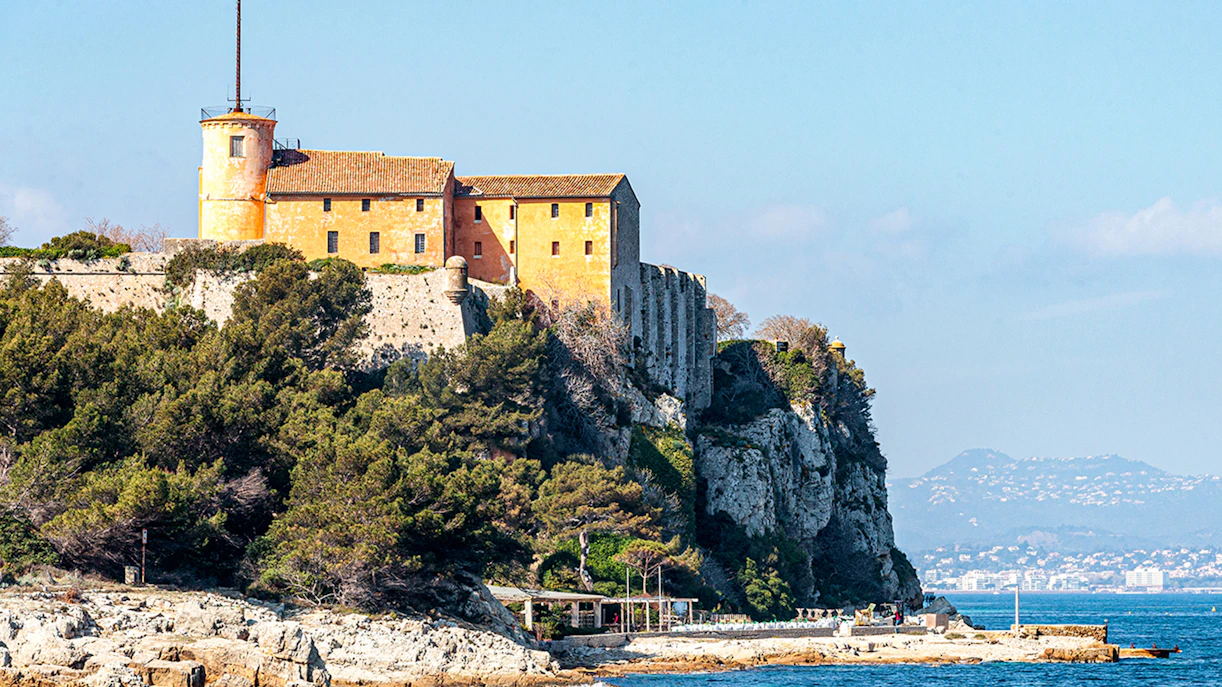
Fort Royal on Sainte-Marguerite Island overlooking the sea with distant mountains.

Yes, especially if you want easy access to cruises, Old Town, Castle Hill, and evening restaurants. The area is walkable and more residential around the inner harbour than the busiest parts of the Promenade.

Consider instead: Stay near Nice-Ville station when budget accommodation or regional train access matters more. Tram connections still make Port Lympia reasonably easy to reach.

Frequently asked questions about Nice cruises

Nice cruises range from around 50 minutes to six hours. Short coastal sightseeing routes take roughly one to two hours, snorkeling and catamaran tours usually take two to four hours, and wildlife or full-day sailing experiences take longer. The listed duration normally includes the outward journey, stops, activities, and return.